Choosing the right padel balls might seem simple, but it can genuinely transform your playing experience. The wrong balls can bounce too high, play too fast, or die after a single session — wasting money and ruining rallies.
With padel booming across the UK in 2026, there are now more ball options than ever. From the tournament-grade HEAD Padel Pro to budget-friendly Bullpadel cans, we’ve compared and tested all the major brands to help you find the best padel balls for your game, your courts, and your wallet.
This comprehensive guide covers everything: individual ball reviews, a head-to-head comparison table, the crucial difference between pressurised and depressurised balls, and a complete buyer’s guide to help you make the right choice.
Pressurised vs Depressurised Padel Balls: What’s the Difference?
Before diving into individual reviews, it’s essential to understand the two main types of padel ball construction:
Pressurised Padel Balls
Pressurised balls are by far the most common type and what you’ll find in virtually every padel club and tournament. During manufacturing, air is injected into the hollow rubber core, creating internal pressure that delivers the characteristic lively, responsive bounce.
These balls come sealed in pressurised cans (that satisfying psst when you pop them open). Fresh out of the can, they’re at peak performance — reactive, consistent, and fast. However, the internal pressure gradually escapes through the rubber over time, meaning the balls lose their bounce after 3-5 matches.
Best for: Match play, tournaments, league games, players who want the authentic padel ball feel.
Depressurised (Pressureless) Padel Balls
Depressurised balls don’t rely on internal air pressure. Instead, they get their bounce from the thickness and composition of the rubber wall itself. This means they maintain a consistent bounce over a much longer period — potentially lasting months rather than days.
The trade-off is the playing feel. Depressurised balls feel slightly heavier on impact and don’t have the same lively responsiveness as fresh pressurised balls. They’re also heavier overall, which can affect your swing and the speed of play.
Best for: Practice sessions, ball machines, coaching, casual play where cost-per-session matters more than match-grade performance.
Quick Comparison: Best Padel Balls 2026
| Ball | Type | Speed | Durability | Bounce | Best For | Price | Buy |
|---|---|---|---|---|---|---|---|
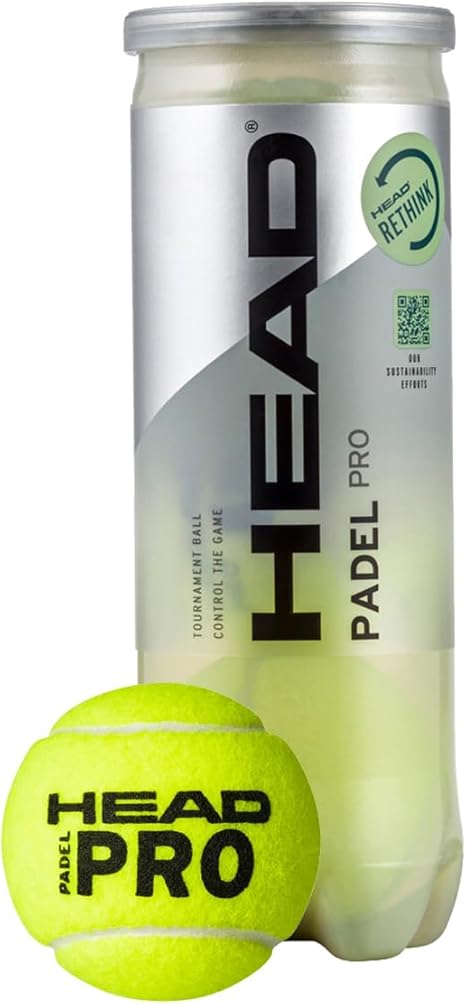 HEAD Padel Pro HEAD Padel Pro |
Pressurised | Medium-Fast | ★★★★☆ | ★★★★★ | Tournament play | ~£5.50 | View on Amazon |
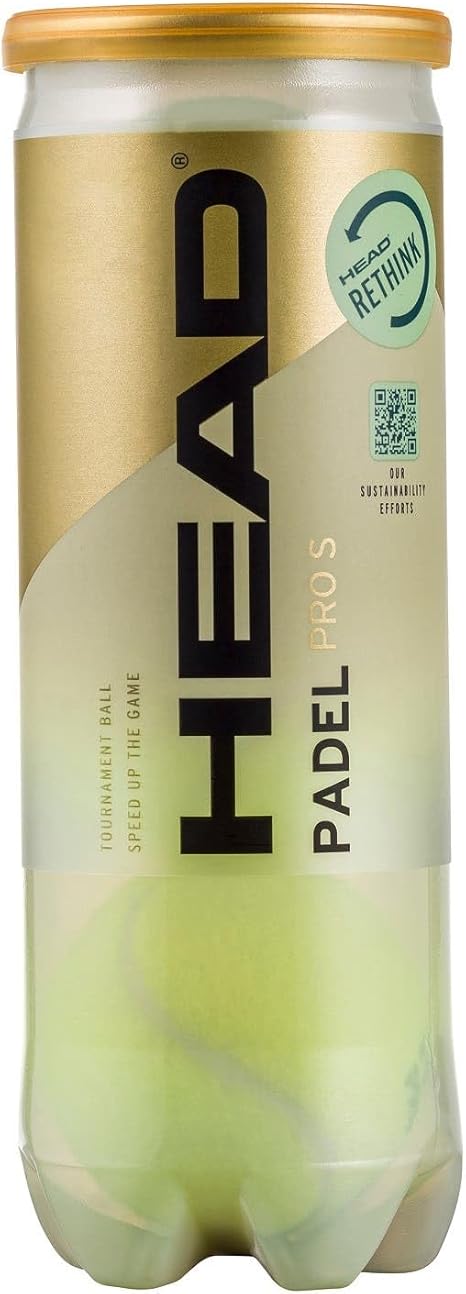 HEAD Padel Pro S HEAD Padel Pro S |
Pressurised | Fast | ★★★★☆ | ★★★★★ | Low-altitude tournaments | ~£5.50 | View on Amazon |
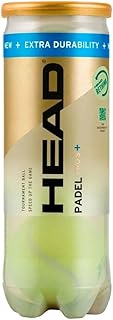 HEAD Padel HEAD Padel |
Pressurised | Medium | ★★★☆☆ | ★★★★☆ | Club & recreational play | ~£4.00 | View on Amazon |
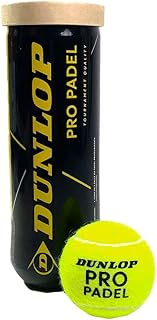 Dunlop Pro Padel Dunlop Pro Padel |
Pressurised | Medium | ★★★★★ | ★★★★★ | All-round excellence | ~£5.00 | View on Amazon |
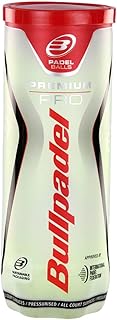 Bullpadel Premium Pro Bullpadel Premium Pro |
Pressurised | Fast | ★★★☆☆ | ★★★★☆ | Value-conscious players | ~£3.50 | View on Amazon |
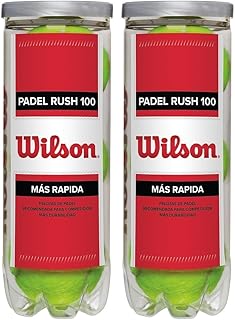 Wilson Padel Rush 100 Wilson Padel Rush 100 |
Pressurised | Medium | ★★★★☆ | ★★★★☆ | Tennis converts | ~£4.50 | View on Amazon |
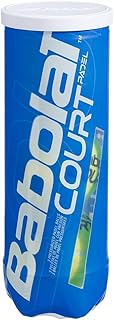 Babolat Padel+ Babolat Padel+ |
Pressurised | Medium-Fast | ★★★★☆ | ★★★★☆ | Spin players | ~£4.50 | View on Amazon |
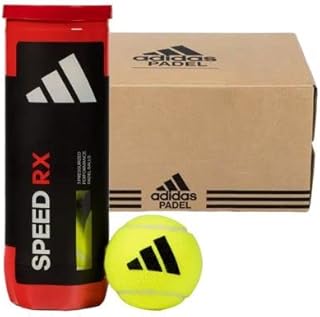 Adidas Speed RX Adidas Speed RX |
Pressurised | Fast | ★★★★☆ | ★★★★★ | Advanced players | ~£5.00 | View on Amazon |
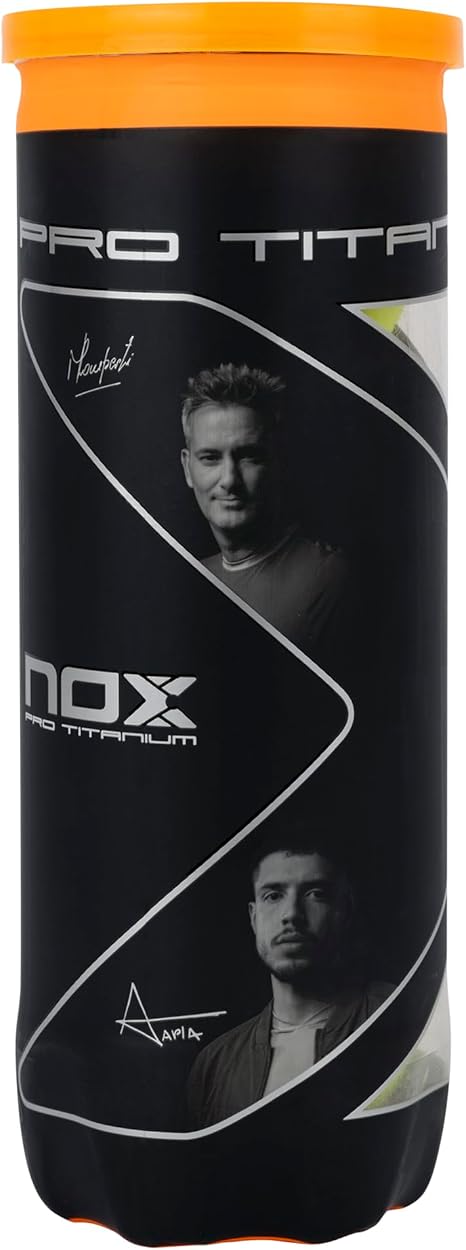 Nox Pro Titanium Nox Pro Titanium |
Pressurised | Medium | ★★★★☆ | ★★★★☆ | Budget all-rounder | ~£3.50 | View on Amazon |
1. HEAD Padel Pro — Best Overall Tournament Ball
The HEAD Padel Pro is the gold standard in padel balls and our top overall pick. As the official ball of the World Padel Tour (for tournaments above 500m altitude), these are literally what the world’s best players use in competition.
What sets them apart is the exceptional consistency. Every ball from every can performs identically — the bounce height, speed, and feel are precisely calibrated. The premium felt provides excellent grip on the racket face for spin generation, while the rubber core delivers a noble, predictable bounce that experienced players love.
Durability is strong for a pressurised ball — expect 4-5 matches before noticeable performance drop. The only downside is the premium price, but for match play, the quality justifies the cost.
Pros
- Official World Padel Tour ball — proven at the highest level
- Exceptional bounce consistency
- Premium felt for excellent spin generation
- Good durability for a pressurised ball
Cons
- Premium price per can
- May feel too fast for complete beginners
2. HEAD Padel Pro S — Best for Fast-Paced Play
The HEAD Padel Pro S is the speed-oriented sibling of the Padel Pro. It’s the official ball for World Padel Tour events played below 500m altitude, where the denser air requires a faster ball to maintain the intended pace of play.
These balls react quickly. The bounce is sharp and aggressive, creating fast, dynamic rallies that reward quick reflexes and aggressive play. For UK courts — most of which sit well below 500m altitude — the Pro S is technically the more “correct” choice for tournament-standard play.
However, the speed can be challenging for beginners and lower-intermediate players. If you’re still developing your reactions and positioning, the standard HEAD Padel Pro or HEAD Padel may be more enjoyable.
Pros
- Official WPT ball for low-altitude venues (most of the UK)
- Fast, dynamic bounce for exciting rallies
- Same premium construction as the Padel Pro
- Excellent for advanced and competitive players
Cons
- Too fast for beginners — can overwhelm developing players
- Premium pricing
3. Dunlop Pro Padel — Best for Durability
The Dunlop Pro Padel is the official ball of the International Padel Federation (FIP) and used in professional tournaments worldwide. If there’s one ball that matches the HEAD Padel Pro for overall quality, it’s this one.
Where the Dunlop particularly excels is durability. The specialised felt composition and robust rubber core maintain consistent bounce and speed over more matches than almost any competitor. We’ve found they hold up well for 5-6 matches before significant performance degradation — impressive for any pressurised ball.
The medium speed and predictable bounce make them suitable for all levels, from beginners to professionals. Many UK padel clubs stock Dunlop as their house ball, and for good reason.
Pros
- Official FIP ball — approved for international competition
- Outstanding durability — longest-lasting in our test
- Consistent, predictable bounce
- Suitable for all playing levels
Cons
- Slightly less reactive than HEAD Padel Pro when fresh
- Can feel heavy after extended use
4. Bullpadel Premium Pro — Best Budget Option
The Bullpadel Premium Pro is the ball to buy if you play frequently and want to keep costs down without sacrificing too much quality. At around £3.50 per can, they’re significantly cheaper than HEAD and Dunlop premium options — but the fresh-from-the-can performance is surprisingly close.
These are fast balls. Straight out of the pressurised can, they play with excellent speed and reactivity. The bounce is lively and consistent during the first 2-3 matches. The trade-off is durability — they lose their edge noticeably faster than premium alternatives, typically after 3-4 matches.
For players who prefer to open fresh cans frequently (which is the best way to play, honestly), the Bullpadel Premium Pro offers outstanding value. Buy in bulk on Amazon UK for the best per-can price.
Pros
- Excellent price-to-performance ratio
- Fast, lively bounce when fresh
- Great for players who open cans frequently
- Widely available in UK — easy to bulk buy
Cons
- Durability drops off after 3-4 matches
- Not as consistent as premium alternatives
5. Wilson Padel Rush 100 — Best for Tennis Converts
Wilson brings decades of tennis ball expertise to padel, and the Padel Rush 100 benefits from that heritage. The proprietary Duraweave technology in the felt means these balls absorb significantly less moisture and dirt than competitors — a real advantage on outdoor UK courts where conditions can be damp.
The bounce and speed are medium-paced and predictable, making them accessible for all levels. Tennis players transitioning to padel will find the Wilson feel particularly familiar and comfortable.
Wilson balls are the standard in many European padel academies and clubs, which speaks to their reliable, consistent performance. They’re a solid all-round choice at a fair price.
Pros
- Duraweave technology — excellent moisture resistance
- Familiar feel for tennis converts
- Good durability and consistency
- Trusted by padel academies worldwide
Cons
- Slightly more expensive than Bullpadel alternatives
- Less reactive than HEAD Pro when brand new
6. Babolat Padel+ — Best for Spin Players
The Babolat Padel+ stands out with a felt texture that grips the racket face exceptionally well, making it a favourite among players who rely on spin. Whether you’re hitting topspin lobs, sliced volleys, or kick serves, these balls respond to spin input better than most competitors.
The medium-fast speed keeps rallies dynamic without being overwhelming, and the bounce is consistent enough for competitive play. Babolat’s quality control is excellent — you get reliable performance from every can.
They also hold up well in UK indoor conditions, maintaining their felt quality across multiple matches. At around £4.50 per can, they sit in the mid-range price bracket.
Pros
- Superior felt texture for spin generation
- Consistent performance across cans
- Good durability — holds felt quality well
- Mid-range pricing offers good value
Cons
- Not as widely stocked in UK shops as HEAD or Dunlop
- Spin advantage less noticeable for flat hitters
7. Adidas Speed RX — Best Premium Alternative
The Adidas Speed RX is a genuinely premium padel ball that competes directly with the HEAD Padel Pro. Developed with professional performance in mind, these balls deliver exceptional speed, a clean bounce, and impressive durability.
They’re fast — comparable to the HEAD Padel Pro S — making them well-suited to advanced players and competitive match play. The rubber core quality is outstanding, maintaining consistent internal pressure over multiple sessions.
For players who want a premium ball experience but prefer to support the Adidas brand, the Speed RX delivers everything you could ask for. Just be prepared for the premium price tag.
Pros
- Professional-grade performance
- Excellent speed and reactivity
- Strong durability for a fast ball
- Premium build quality throughout
Cons
- Premium pricing — similar to HEAD Pro
- Speed may challenge beginners
8. HEAD Padel — Best Budget HEAD Option
If you love the HEAD brand but want a more affordable option than the Padel Pro, the standard HEAD Padel ball is an excellent choice. It shares much of the DNA of its premium siblings but at a noticeably lower price point.
The bounce is slightly softer and slower than the Pro version, which actually makes it perfect for beginners and club-level players. You still get HEAD’s quality control and consistency, just without the tournament-grade specification.
These are incredibly popular in UK padel clubs for social and recreational play. Buy in bulk on Amazon for the best savings.
Pros
- HEAD quality at a lower price
- Softer, slower bounce suits recreational players
- Consistent performance
- Widely available in UK stores and online
Cons
- Durability noticeably lower than Padel Pro
- Not suited for competitive or tournament play
9. Nox Pro Titanium — Best Budget All-Rounder
The Nox Pro Titanium padel balls have been gaining a loyal following thanks to their combination of solid performance and aggressive pricing. Often found on sale for remarkably low prices on Amazon, they offer outstanding value for money.
Straight out of the can, they perform well — good bounce, consistent speed, and a satisfying feel. They maintain their quality across several matches, competing well with the Bullpadel Premium Pro in the budget segment.
For clubs looking to stock affordable balls for casual play and practice, the Nox Pro Titanium is an excellent choice. Buy in bulk for the best per-can price.
Pros
- Excellent value — often on sale for very low prices
- Solid performance fresh from the can
- Good consistency across matches
- Great for clubs and bulk purchases
Cons
- Less well-known brand in the UK
- Not approved for major tournaments
Padel Ball Buyer’s Guide: How to Choose the Right Balls
Consider Your Playing Level
Beginners should choose medium-speed balls with a predictable bounce — the HEAD Padel, Wilson Padel Rush, or Bullpadel Premium Pro are ideal. Intermediate players can move to the HEAD Padel Pro or Dunlop Pro Padel for tournament-standard performance. Advanced players seeking maximum speed should consider the HEAD Padel Pro S or Adidas Speed RX.
Indoor vs Outdoor Play
Most UK padel is played indoors, where any quality ball performs well. For outdoor play, moisture resistance matters — the Wilson Padel Rush 100 with Duraweave technology is the best choice for damp British conditions. In general, pressurised balls perform best indoors where temperature and humidity are controlled.
Cost Per Session
If you play 3+ times per week, ball costs add up quickly. Consider your options:
- Budget approach: Bullpadel Premium Pro or Nox Pro Titanium in bulk — around £3-3.50 per can
- Mid-range approach: Wilson Padel Rush or Babolat Padel+ — around £4-4.50 per can
- Premium approach: HEAD Padel Pro or Dunlop Pro Padel — around £5-5.50 per can
Buying in bulk (24-can boxes) from Amazon UK typically saves 20-30% compared to individual cans.
Ball Pressuriser: Extend Your Ball Life
A ball pressuriser is a sealed tube that re-pressurises your used balls between sessions. It’s a brilliant investment that can double the effective life of your pressurised balls. They cost around £15-25 and pay for themselves within a few months of regular play.
Simply pop your used balls into the pressuriser after playing, pump it up, and the restored pressure revitalises the bounce. It won’t make dead balls like new, but it significantly slows the degradation process.
👉 Browse ball pressurisers on Amazon UK
Altitude and Ball Choice
Ball performance varies with altitude due to air density differences. At higher altitudes (above 500m), thinner air means balls fly faster and bounce higher — so slower balls like the HEAD Padel Pro are used. At lower altitudes (below 500m — which includes virtually all of the UK), denser air slows the ball, so faster balls like the HEAD Padel Pro S provide a better pace of play.
For most UK players, this distinction is academic — but if you’re shopping for tournament-standard balls, the HEAD Padel Pro S is technically the correct choice for British courts.
Frequently Asked Questions
What is the difference between padel balls and tennis balls?
Padel balls look similar to tennis balls but have slightly lower internal pressure (typically 4.6-5.2 kg/cm² vs 6.0+ for tennis). This means padel balls bounce lower and slower, suiting the enclosed padel court. The felt and rubber composition also differs. Always use proper padel balls — tennis balls bounce too high and play too fast on a padel court.
How long do padel balls last?
A can of three pressurised padel balls typically lasts 3-5 matches before significant bounce and speed loss. Playing surface, temperature, and playing style all affect lifespan. For competitive play, many players open fresh balls every 2-3 matches. Casual players can stretch them further.
Are expensive padel balls worth it?
For competitive play, yes — premium balls like the HEAD Padel Pro or Dunlop Pro Padel offer noticeably better consistency and feel. For casual play and practice, mid-range options like Bullpadel Premium Pro offer excellent value. The difference is most noticeable in tournament and league play.
Which padel balls are best for beginners?
Beginners should look for slightly slower balls with predictable bounce. The HEAD Padel (non-Pro), Bullpadel Premium Pro, and Wilson Padel Rush 100 are all excellent choices. They’re forgiving, reasonably priced, and widely available. Avoid the HEAD Padel Pro S as its extra speed can overwhelm developing players.
Can I buy padel balls in bulk in the UK?
Yes — buying in bulk is the most cost-effective approach. Amazon UK offers multi-packs (12, 24, or 72 balls) from most major brands at significant per-can discounts. Clubs and regular players can save 20-30% by buying boxes of 24 cans.
How should I store padel balls?
Keep unopened cans in a cool, dry place at room temperature. Avoid leaving them in car boots or garages where temperature swings affect pressure. Once opened, use a ball pressuriser tube to maintain internal pressure between sessions — this can significantly extend ball life.
What are pressurised vs depressurised padel balls?
Pressurised balls have air injected into the core during manufacturing, giving a lively bounce that gradually fades over 3-5 matches. Depressurised balls rely on rubber wall thickness for bounce and last much longer but feel heavier and less reactive. Most players use pressurised balls for match play and may use depressurised for practice.
Final Verdict: Which Padel Balls Should You Buy?
Here’s our quick recommendation based on your priorities:
- Best overall: HEAD Padel Pro — the tournament standard for a reason
- Best for durability: Dunlop Pro Padel — FIP-approved and long-lasting
- Best budget option: Bullpadel Premium Pro — excellent performance per pound
- Best for beginners: HEAD Padel — quality brand at an accessible price and speed
- Best for outdoor play: Wilson Padel Rush 100 — Duraweave moisture resistance
- Best for spin: Babolat Padel+ — superior felt texture grips the racket face
Whatever balls you choose, remember: fresh balls make better padel. Don’t be the person bringing three-month-old dead balls to a match. Your partners (and your game) will thank you! 🎾
Prices checked February 2026. This article contains affiliate links — if you purchase through our links, we may earn a small commission at no extra cost to you. This helps support Padel Mad and keeps our reviews independent.