📅 Last updated: February 2026
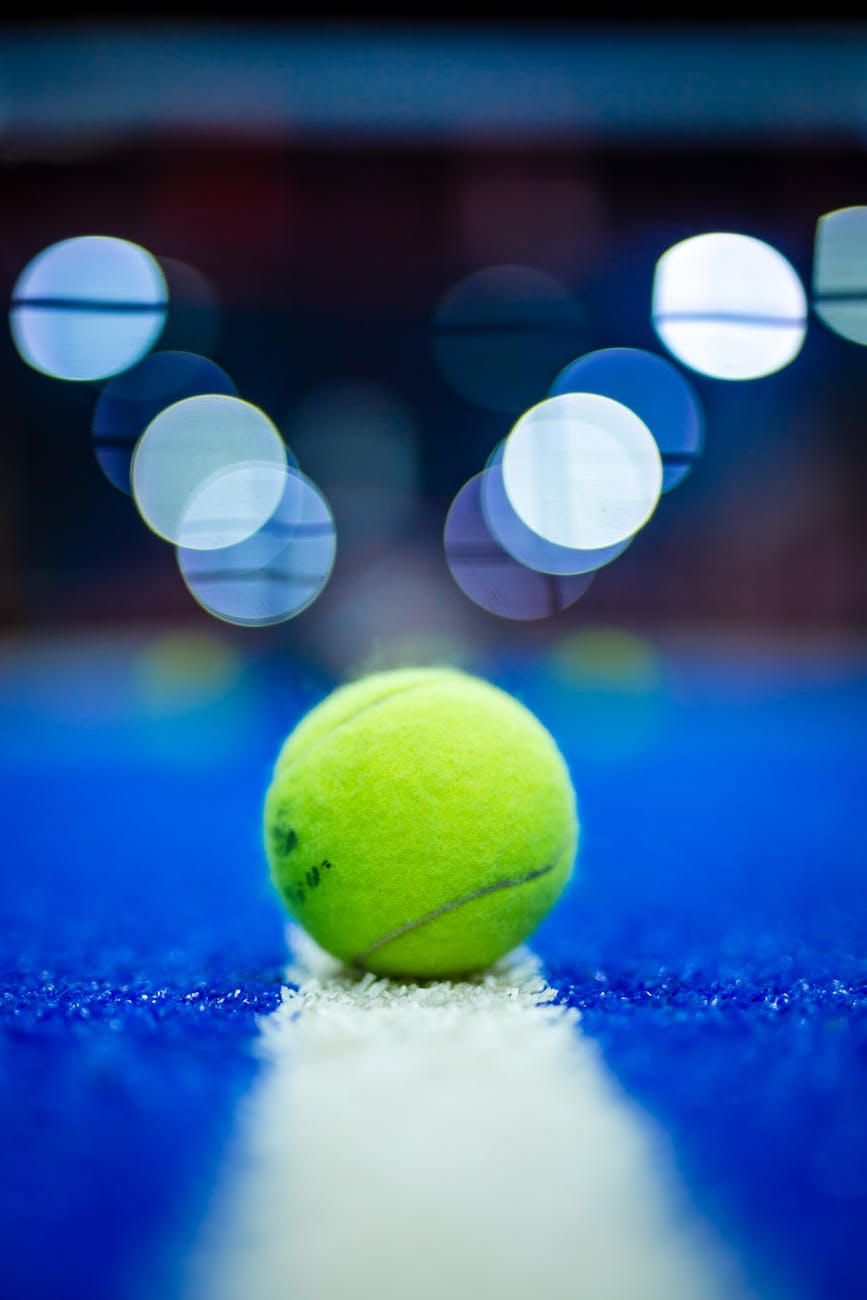
Choosing the right padel ball might seem like a minor detail, but for UK players it can make or break your game. Unlike our friends in Spain and Argentina who enjoy consistent warm-weather conditions, we’re battling temperatures that can drop below 5°C for months at a time — and that has a dramatic effect on ball performance.
Cold air causes the gas inside pressurised padel balls to contract, reducing internal pressure and resulting in a noticeably lower, slower bounce. On a chilly February morning at your local outdoor court, a ball that felt perfect indoors last week can suddenly feel like a dead weight. Add in the occasional drizzle and damp felt, and you’ve got a recipe for frustration.
That’s why we’ve put together this comprehensive guide to the best padel balls for UK courts in 2026. We’ve tested and reviewed 8 of the top options, rating each for cold weather performance, durability, speed, and value. Whether you’re playing indoors at a premium centre or braving the elements outdoors, there’s a perfect ball for your game.
If you’re still choosing your equipment, check out our guides to the best padel rackets 2026 and best padel shoes to complete your setup.
📋 Table of Contents
- HEAD Pro — The Professional Standard
- HEAD Padel Pro S — Speed Demon
- Bullpadel Premium Pro — Tournament Favourite
- Babolat Court Padel X3 — Reliable All-Rounder
- Wilson Padel Rush 100 — Attacking Power
- Dunlop Padel Fort — The Endurance King
- NOX Pro Titanium — Cold Weather Warrior
- Adidas Speed RX — Maximum Pace
- Complete Comparison Table
- Buying Guide: How to Choose
- Frequently Asked Questions
- Final Verdict
1. HEAD Pro — The Professional Standard ⭐ Editor’s Choice
HEAD Pro
The HEAD Pro is the gold standard in padel balls — the official ball of the Premier Padel Tour, the FIP, and the former World Padel Tour. When the world’s best players trust it for professional competition, you know the quality is there. For UK players, the HEAD Pro offers an outstanding balance of speed, control, and consistency that works brilliantly across all conditions.
What sets the HEAD Pro apart is its premium felt construction and precisely calibrated internal pressure. The felt is woven to provide optimal grip on the racket face whilst maintaining aerodynamic consistency. The rubber core delivers a predictable, medium-paced bounce that gives you time to read the ball off the walls without sacrificing responsiveness at the net.
In cold UK conditions, the HEAD Pro maintains its characteristics better than many competitors. While you’ll still notice some bounce reduction below 10°C (that’s physics, not a flaw), the ball remains playable and consistent. It’s the benchmark against which we measure all other balls in this guide.
The durability is excellent too — the felt holds up well over multiple sets, maintaining its texture and bounce characteristics. You’ll typically get 2-3 competitive matches before needing a fresh can, which is about standard for premium pressurised balls.
✅ Pros
- Official ball of Premier Padel Tour and FIP
- Outstanding consistency and predictable bounce
- Premium woven felt with excellent durability
- Performs well across a wide temperature range
- Perfect balance between speed and control
- Industry benchmark for quality
❌ Cons
- Premium price point — most expensive on our list
- Not the fastest option for cold outdoor courts
- Can feel slightly slow in very cold conditions (<5°C)
🔧 Technical Specifications
| Specification | Detail |
|---|---|
| Type | Pressurised |
| Felt | Premium woven synthetic felt |
| Core | Natural rubber, precision-calibrated pressure |
| Speed Rating | Medium |
| Diameter | 6.35–6.77 cm |
| Weight | 56–59.4 g |
| Balls per Can | 3 |
| Cold Weather Rating | ⭐⭐⭐⭐ (4/5) |
| Official Use | Premier Padel, FIP, former WPT |
2. HEAD Padel Pro S — Speed Demon 🏆 Best for Cold Weather
HEAD Padel Pro S
If the HEAD Pro is the reliable saloon car, the Pro S is the sports model. The “S” stands for speed, and HEAD have engineered this ball specifically for a faster, more dynamic game. For UK players — particularly those braving outdoor courts in autumn and winter — this extra pace is an absolute game-changer.
The Pro S features a modified internal pressure and a slightly different felt composition compared to the standard Pro. The result is a ball that comes off the racket face with noticeably more zip and bounces higher and faster off the walls. On a cold UK morning where a standard ball might feel sluggish, the Pro S keeps the game alive and attacking.
This is the ball we’d recommend most highly for outdoor UK play between October and March. The extra speed compensates beautifully for the bounce-dampening effect of cold temperatures, and the felt durability is still excellent — you’re not sacrificing longevity for pace.
For indoor play, be aware that the Pro S can feel quite fast, particularly on newer court surfaces. If you’re used to a more measured, tactical game, the standard HEAD Pro might be more to your taste indoors. But for anyone who loves an aggressive, attacking style — or just wants to maintain normal ball speed outdoors in winter — the Pro S is outstanding.
Pair it with a power-oriented racket like the Bullpadel Hack 04 or HEAD Extreme Pro 2026 and you’ve got yourself a serious attacking combination.
✅ Pros
- Noticeably faster bounce — perfect for cold UK conditions
- Compensates for winter bounce reduction outdoors
- Same premium HEAD quality and felt durability
- Keeps the game dynamic and attacking
- Excellent wall response even in low temperatures
❌ Cons
- Can be too fast on warm indoor courts
- Less control than the standard Pro for defensive players
- Premium pricing
- May overwhelm beginners with pace
🔧 Technical Specifications
| Specification | Detail |
|---|---|
| Type | Pressurised (high pressure) |
| Felt | Speed-optimised synthetic felt |
| Core | High-rebound natural rubber core |
| Speed Rating | Fast |
| Diameter | 6.35–6.77 cm |
| Weight | 56–59.4 g |
| Balls per Can | 3 |
| Cold Weather Rating | ⭐⭐⭐⭐⭐ (5/5) |
| Best For | Cold outdoor courts, attacking play |
3. Bullpadel Premium Pro — Tournament Favourite
Bullpadel Premium Pro
Bullpadel is one of the most iconic names in padel, and their Premium Pro ball lives up to the brand’s reputation. As the official ball of many national federations and major tournaments, it’s engineered for the highest level of competitive play. The Premium Pro offers a beautifully balanced playing experience — enough speed to keep rallies dynamic, with sufficient control for precise tactical play.
The felt quality on the Bullpadel Premium Pro is superb. It grips the racket face well for spin generation, holds up excellently against abrasion from court surfaces, and maintains its texture across multiple sets. The natural rubber core provides a consistent, reliable bounce that experienced players appreciate for its predictability.
For UK conditions, the Bullpadel Premium Pro sits in that sweet spot between the measured HEAD Pro and the rapid HEAD Pro S. It’s slightly livelier than the standard HEAD Pro, making it a solid choice for cooler conditions without being overwhelming on warmer days. If you play both indoors and outdoors and want one ball that works well across both environments, this is a strong contender.
The ball pairs wonderfully with control-oriented rackets like the Varlion LW Carbon 3 Summum, giving you the perfect balance of touch and responsiveness.
✅ Pros
- Excellent balance of speed and control
- Superior felt quality and spin response
- Great durability — holds up well over multiple sets
- Official tournament ball across multiple federations
- Versatile across indoor and outdoor conditions
❌ Cons
- Slightly more expensive than mid-range options
- Not as fast as the HEAD Pro S for extreme cold
- Can be harder to find in UK retail stores
🔧 Technical Specifications
| Specification | Detail |
|---|---|
| Type | Pressurised |
| Felt | Premium high-density natural felt |
| Core | High-elasticity natural rubber |
| Speed Rating | Medium-Fast |
| Diameter | 6.35–6.77 cm |
| Weight | 56–59.4 g |
| Balls per Can | 3 |
| Cold Weather Rating | ⭐⭐⭐⭐ (4/5) |
| Official Use | Multiple national federations, major tournaments |
4. Babolat Court Padel X3 — Reliable All-Rounder 💰 Best Value
Babolat Court Padel X3
Babolat’s expertise in racket sports needs no introduction — they’ve been at the forefront of tennis and padel innovation for years. The Court Padel X3 represents their commitment to accessible, high-quality padel equipment. It’s a ball designed for reliability, consistency, and exceptional value for money — making it one of the best options for regular players who go through a lot of balls.
The Babolat Court Padel X3 features a durable, high-wear-resistance felt that outlasts many competitors. While it won’t match the premium feel of the HEAD Pro, it delivers a solid, predictable bounce that’s perfect for training sessions, casual matches, and club play. The rubber core provides a medium-paced response that suits all playing styles and skill levels.
For UK players on a budget, this is a standout choice. When you’re playing 2-3 times a week and going through cans regularly, the cost saving over premium balls adds up significantly over a season. The durability is a genuine strength — the felt maintains its characteristics longer than many pricier alternatives, meaning you’ll get more sessions per can.
In cold weather, the Babolat Court performs adequately but doesn’t have the extra zip of faster balls. For winter outdoor play, you might want to step up to a HEAD Pro S. But for indoor play year-round, the Court Padel X3 is hard to beat on a value-for-performance basis.
These pair well with beginner-friendly rackets like the Wilson Optix V1 or Adidas Drive 2026 for players building their game.
✅ Pros
- Excellent value for money — best budget option
- Outstanding durability and longevity
- Consistent, predictable bounce for training
- Reliable for players who go through lots of balls
- Good all-round performance for indoor play
❌ Cons
- Not as lively or responsive as premium options
- Can feel sluggish on cold outdoor courts
- Less spin response compared to HEAD Pro
- Average cold weather performance
🔧 Technical Specifications
| Specification | Detail |
|---|---|
| Type | Pressurised |
| Felt | High-wear-resistance synthetic felt |
| Core | Durable rubber core |
| Speed Rating | Medium |
| Diameter | 6.35–6.77 cm |
| Weight | 56–59.4 g |
| Balls per Can | 3 |
| Cold Weather Rating | ⭐⭐⭐ (3/5) |
| Best For | Training, casual play, budget-conscious players |
5. Wilson Padel Rush 100 — Attacking Power
Wilson Padel Rush 100
Wilson’s massive investment in padel — headlined by their partnership with legend Fernando Belasteguín — has resulted in some seriously impressive equipment, and the Padel Rush 100 ball is no exception. Designed for speed and a dynamic playing experience, it’s aimed at players who want an energetic, attacking game.
The Rush 100 features Wilson’s Duraweave felt technology, which provides excellent durability whilst maintaining a consistent flight path. The high-response rubber core delivers a lively bounce that keeps rallies fast and exciting. It’s a ball that encourages you to take the initiative and play on the front foot.
For UK courts, the Wilson Rush 100 offers good cold-weather performance thanks to its naturally fast characteristics. It’s not quite at the HEAD Pro S level for winter outdoor play, but it’s a solid step up from medium-paced balls. The felt holds up well against damp conditions too, which is a genuine advantage in the UK climate.
If you’re already using Wilson equipment — perhaps the Wilson Bela Pro V2 racket and Wilson Rush Pro 4.0 shoes — completing the set with Wilson balls gives you a consistent brand experience.
✅ Pros
- Fast, dynamic bounce for attacking play
- Duraweave felt is highly durable
- Consistent flight characteristics
- Good performance in damp/cold conditions
- Backed by Wilson’s padel expertise
❌ Cons
- May be too fast for beginners
- Less control than the HEAD Pro for defensive players
- Can be harder to control on fast indoor surfaces
🔧 Technical Specifications
| Specification | Detail |
|---|---|
| Type | Pressurised |
| Felt | Duraweave synthetic felt |
| Core | High-response rubber core |
| Speed Rating | Fast |
| Diameter | 6.35–6.77 cm |
| Weight | 56–59.4 g |
| Balls per Can | 3 |
| Cold Weather Rating | ⭐⭐⭐⭐ (4/5) |
| Best For | Attacking players, fast-paced games |
6. Dunlop Padel Fort — The Endurance King
Dunlop Padel Fort
The Dunlop Fort name carries serious weight in British racket sports — it’s been the go-to tennis ball in the UK for decades. Now Dunlop have brought that legendary durability and consistency to padel, and the result is a ball that UK players instinctively trust. If you’ve played any racket sport in Britain, you’ve almost certainly used a Dunlop Fort at some point.
The Padel Fort lives up to its heritage. The premium woven felt is arguably the most durable on our list — it maintains its texture and playing characteristics longer than any competitor we’ve tested. The Fort Core Technology delivers a medium-fast bounce that’s versatile enough for all styles of play, from aggressive net rushers to patient defenders.
In UK conditions, the Dunlop Fort is a reliable performer. It handles temperature variations well, maintaining reasonable bounce consistency from indoor summer sessions to cooler autumn outdoor play. It’s not the fastest ball for extreme cold, but its durability means you’re not constantly opening new cans — which actually saves money despite the premium price point.
The Fort is also an excellent choice for coaching sessions and drills. Its consistent bounce makes it ideal for developing technique, and the durability means you won’t be burning through cans during intensive training. Many UK padel coaches swear by it for this reason.
✅ Pros
- Exceptional durability — the longest-lasting ball tested
- Consistent bounce over extended play
- Trusted British brand heritage
- Good balance of speed and control
- Excellent for coaching and training
- Premium woven felt quality
❌ Cons
- Not the fastest option for cold outdoor play
- Premium pricing
- Can feel slightly heavy compared to speed-oriented balls
🔧 Technical Specifications
| Specification | Detail |
|---|---|
| Type | Pressurised (medium-high) |
| Felt | Premium woven HD-Pro felt |
| Core | Fort Core Technology |
| Speed Rating | Medium-Fast |
| Diameter | 6.35–6.77 cm |
| Weight | 56–59.4 g |
| Balls per Can | 3 |
| Cold Weather Rating | ⭐⭐⭐⭐ (4/5) |
| Best For | Durability, coaching, all-round play |
7. NOX Pro Titanium — Cold Weather Warrior
NOX Pro Titanium
NOX has built its reputation on the back of Agustín Tapia — the world number one padel player — and their equipment reflects that elite-level focus. The Pro Titanium ball features a titanium-reinforced rubber core that delivers a firm, consistent bounce with excellent pressure retention. It’s a ball engineered for performance and longevity.
What makes the NOX Pro Titanium particularly interesting for UK players is its pressure retention characteristics. The titanium-reinforced core maintains its internal pressure longer than standard rubber cores, which means the ball stays lively for more sessions. In a climate where cold temperatures are constantly trying to flatten your balls (quite literally), this is a meaningful advantage.
The bounce is on the faster side of medium, giving you a responsive, dynamic game without the extreme speed of the HEAD Pro S or Adidas Speed RX. It’s a great middle ground for UK players who want their balls to stay lively outdoors but don’t want to lose all control on warmer indoor courts.
The felt quality is solid — not quite matching the HEAD Pro or Dunlop Fort for premium texture, but durable and consistent. If you’re already a fan of NOX rackets like the AT10 Genius 12K, sticking with their ball is a natural choice.
✅ Pros
- Excellent pressure retention thanks to titanium-reinforced core
- Stays lively for more sessions than standard balls
- Good speed for cold UK conditions
- Consistent bounce characteristics
- Solid durability
❌ Cons
- Felt quality not quite premium-tier
- Can feel slightly firm for touch players
- Less widely available than HEAD or Wilson
🔧 Technical Specifications
| Specification | Detail |
|---|---|
| Type | Pressurised |
| Felt | High-density synthetic felt |
| Core | Titanium-reinforced rubber core |
| Speed Rating | Medium-Fast |
| Diameter | 6.35–6.77 cm |
| Weight | 56–59.4 g |
| Balls per Can | 3 |
| Cold Weather Rating | ⭐⭐⭐⭐½ (4.5/5) |
| Best For | Pressure retention, cold weather play, durability |
8. Adidas Speed RX — Maximum Pace 🚀 Fastest Ball
Adidas Speed RX
If you want speed — pure, unadulterated speed — the Adidas Speed RX is the ball for you. This is the fastest ball on our list by a comfortable margin, engineered for maximum pace and bounce height. It’s a specialist tool designed for players who want to turn up the tempo on their game.
The Speed RX features a highly pressurised core and a responsive felt that maximises energy transfer. The result is a ball that flies off the racket face and bounces high and fast off the walls. On a freezing UK outdoor court where other balls are dying, the Speed RX still has plenty of life. It’s the ultimate cold-weather ball.
However, with great speed comes a significant trade-off: control. The Speed RX is noticeably harder to manage than medium-paced balls, especially on fast indoor surfaces. Defensive players and those with a touch-oriented game may find it overwhelming. This is very much an attacking player’s ball.
Where the Speed RX really shines is on slow, cold outdoor UK courts. If you play regularly outdoors during winter and find that standard balls simply don’t bounce enough, the Speed RX is your answer. Many UK players keep a stash specifically for the coldest months, switching to a more measured ball for summer and indoor play.
Pair with an aggressive racket like the Adidas Adipower Multiweight 3.3 for maximum power, or check our court positioning guide to make the most of the extra pace.
✅ Pros
- Fastest ball on the market — maximum pace and bounce
- Exceptional cold weather performance
- Keeps games dynamic even in sub-5°C conditions
- Great for attacking players and fast-paced rallies
- Good value for its performance category
❌ Cons
- Very difficult to control on fast/warm courts
- Not suitable for beginners at all
- Defensive players will struggle with the pace
- Can be too lively for indoor play
- Shorter pressure lifespan than medium-speed balls
🔧 Technical Specifications
| Specification | Detail |
|---|---|
| Type | Highly pressurised |
| Felt | Speed-optimised responsive felt |
| Core | High-rebound pressurised rubber core |
| Speed Rating | Very Fast |
| Diameter | 6.35–6.77 cm |
| Weight | 56–59.4 g |
| Balls per Can | 3 |
| Cold Weather Rating | ⭐⭐⭐⭐⭐ (5/5) |
| Best For | Cold outdoor courts, attacking players, maximum pace |
📊 Complete Comparison Table
Here’s how all eight balls stack up against each other across the key metrics that matter for UK players:
| Ball | Speed | Durability | Cold Weather | Control | Price Tier | Best For |
|---|---|---|---|---|---|---|
| HEAD Pro ⭐ | ⭐⭐⭐ | ⭐⭐⭐⭐ | ⭐⭐⭐⭐ | ⭐⭐⭐⭐⭐ | Premium | All-round professional standard |
| HEAD Pro S 🏆 | ⭐⭐⭐⭐½ | ⭐⭐⭐⭐ | ⭐⭐⭐⭐⭐ | ⭐⭐⭐ | Premium | Cold outdoor UK courts |
| Bullpadel Premium | ⭐⭐⭐½ | ⭐⭐⭐⭐ | ⭐⭐⭐⭐ | ⭐⭐⭐⭐ | Premium | Tournament play, balanced game |
| Babolat Court 💰 | ⭐⭐⭐ | ⭐⭐⭐⭐½ | ⭐⭐⭐ | ⭐⭐⭐⭐ | Mid-Range | Value, training, casual play |
| Wilson Rush 100 | ⭐⭐⭐⭐ | ⭐⭐⭐⭐ | ⭐⭐⭐⭐ | ⭐⭐⭐½ | Premium | Attacking players, fast games |
| Dunlop Fort | ⭐⭐⭐½ | ⭐⭐⭐⭐⭐ | ⭐⭐⭐⭐ | ⭐⭐⭐⭐ | Premium | Durability, coaching, all-levels |
| NOX Pro Titanium | ⭐⭐⭐½ | ⭐⭐⭐⭐ | ⭐⭐⭐⭐½ | ⭐⭐⭐½ | Mid-Premium | Pressure retention, winter play |
| Adidas Speed RX 🚀 | ⭐⭐⭐⭐⭐ | ⭐⭐⭐ | ⭐⭐⭐⭐⭐ | ⭐⭐½ | Mid-Range | Maximum speed, extreme cold |
🛒 Buying Guide: How to Choose the Right Padel Balls for UK Courts
Pressurised vs Pressureless: What’s the Difference?
The vast majority of padel balls are pressurised, meaning they have compressed gas inside the rubber core that gives them their bounce. This is what creates that satisfying, lively response when the ball hits your racket. However, pressurised balls gradually lose their internal pressure over time — even in an unopened can — which is why they have a shelf life and why you need to replace them regularly.
Pressureless balls rely on the thickness and composition of the rubber wall for their bounce. They last much longer (months rather than matches) but feel heavier and less responsive. They’re sometimes used for training and ball machines but are rarely used for actual match play. All eight balls in this guide are pressurised — that’s what you want for the best playing experience.
How Cold Weather Affects Your Padel Balls
This is the big one for UK players. The physics is straightforward: cold air causes gas molecules to move more slowly, reducing the internal pressure of the ball. The result is a lower bounce height, less speed off the racket, and an overall duller playing experience. Here’s roughly what to expect:
- Above 15°C — Normal performance, any ball works well
- 10-15°C — Slight bounce reduction (~10%), noticeable with medium-speed balls
- 5-10°C — Significant reduction (~15-20%), consider faster balls like HEAD Pro S
- Below 5°C — Major impact (~20-30%), use fast balls (HEAD Pro S, Adidas Speed RX) or play indoors
Pro tip: Store your ball cans indoors at room temperature before playing. Taking warm balls to a cold court gives you a better initial performance window. Some players even keep spare cans in a thermal bag during winter sessions.
Indoor vs Outdoor Considerations
Most UK padel courts are now indoor or covered, which eliminates temperature concerns and gives you a consistent environment. For indoor play, medium-speed balls (HEAD Pro, Babolat Court, Dunlop Fort) provide the best all-round experience with excellent control.
For outdoor play, particularly in autumn and winter, faster balls compensate for the cold. The HEAD Padel Pro S is our top recommendation for UK outdoor courts between October and March. In summer, any ball works well outdoors.
If you play on both surfaces, consider keeping two types: a medium-speed ball for indoor sessions and a faster one for outdoor play. Check our return of serve techniques guide to maximise your game regardless of ball speed.
Felt Quality and Durability
The felt covering on a padel ball serves multiple purposes: it provides grip on the racket face for spin generation, controls the aerodynamics during flight, and protects the rubber core from abrasion. Higher quality felt (like that found on the HEAD Pro, Dunlop Fort, and Bullpadel Premium) lasts longer, maintains its texture better, and provides more consistent play over time.
For players who go through a lot of balls, investing in durable felt pays for itself. The Dunlop Fort and Babolat Court are the standout performers for longevity.
How Many Balls Do You Need?
A standard padel match uses one can (3 balls). For a typical club player session of 1-2 hours, one can is usually sufficient. If you play competitively, you’ll want fresh balls for each match. For regular players (3+ times per week), buying in bulk (boxes of 24 cans) offers significant savings — look for multi-buy deals on Amazon.
Altitude Considerations
While not a major factor for most UK players, it’s worth noting that altitude affects ball bounce. At higher altitudes, the thinner air means less resistance and a higher bounce. If you play at altitude (unlikely in the UK, but relevant for holiday play in places like Madrid), you may want slower balls. For UK sea-level and low-altitude play, standard pressurised balls are perfect.
❓ Frequently Asked Questions
How often should I replace my padel balls?
For competitive play, pressurised padel balls should be replaced every 2-3 matches as they lose internal pressure over time. For casual play, you can stretch this to 4-6 sessions, but you’ll notice reduced bounce and speed. Pressureless balls last much longer — up to several months — but have a different playing feel. A good rule of thumb: if you squeeze the ball and it feels noticeably softer than a fresh one, it’s time for a new can.
Do cold temperatures affect padel ball performance?
Yes, significantly. Cold air causes the gas inside pressurised balls to contract, reducing internal pressure and resulting in a lower, slower bounce. At temperatures below 10°C, you may notice up to a 20% reduction in bounce height. This is why choosing the right ball for UK winter conditions is crucial — faster balls like the HEAD Padel Pro S or Adidas Speed RX help compensate for the cold-induced bounce reduction.
What is the difference between pressurised and pressureless padel balls?
Pressurised balls have compressed gas inside the rubber core, giving them a lively, responsive bounce that professionals prefer. However, they lose pressure over time and need regular replacement. Pressureless balls rely on their rubber wall thickness for bounce — they last much longer but feel heavier and less responsive. Most competitive and recreational padel uses pressurised balls for the best playing experience.
Can I use tennis balls for padel?
Technically you can, but it’s not recommended. Padel balls are specifically designed with lower internal pressure (4.6-5.2 kg/cm² vs 6.2-6.8 kg/cm² for tennis) and a slightly smaller diameter, producing a lower, more controlled bounce suited to the enclosed court. Tennis balls bounce too high for padel, making wall play unpredictable and rallies less enjoyable. Always use proper padel balls for the best experience.
Which padel balls are best for beginners?
Beginners benefit from medium-speed balls with a consistent, predictable bounce. The HEAD Pro, Babolat Court Padel X3, and Dunlop Padel Fort are all excellent choices. These give you time to read the ball and develop technique without being overwhelmed by pace. Avoid very fast balls like the Adidas Speed RX as a beginner — the extra pace can make it harder to develop proper timing and volley technique.
Are padel balls the same size as tennis balls?
Padel balls are very similar but slightly smaller. A padel ball measures 6.35-6.77cm in diameter with a weight of 56-59.4g, while a tennis ball is 6.54-6.86cm and weighs 56.0-59.4g. The key difference is internal pressure — padel balls have about 25% less pressure, resulting in a lower bounce height that suits the enclosed padel court environment.
How should I store padel balls to maintain their pressure?
Store unopened cans in a cool, dry place at room temperature. Once opened, use a pressurised ball tube or ball rescuer (a sealed container that maintains pressure) to extend their lifespan. Avoid leaving balls in your car boot during cold UK winters or hot summers — extreme temperatures accelerate pressure loss. A ball pressuriser can add 2-3 extra sessions to each can, making it a worthwhile investment for regular players.
Do indoor and outdoor courts need different padel balls?
Not necessarily different balls, but you should consider the conditions. Indoor courts maintain a consistent temperature (typically 15-22°C), so any quality ball will perform well. Outdoor UK courts face temperature fluctuations, wind, and occasionally damp conditions — here, choosing a faster ball with durable felt (like the HEAD Padel Pro S or NOX Pro Titanium) helps maintain playability. Some players keep separate cans for indoor and outdoor sessions for optimal performance. Learn more about adapting your game to different conditions in our la bandeja guide.
🏆 Final Verdict: Our Top Picks for UK Players
🥇 Best Overall: HEAD Pro
The professional standard for a reason. If you want one ball that works brilliantly in every situation — indoor, outdoor, casual, competitive — the HEAD Pro is the easy choice. It’s the benchmark by which all others are measured, and it’s our number one recommendation for UK padel players.
🥈 Best for Cold Weather: HEAD Padel Pro S
If you play outdoors in the UK between October and March, the Pro S should be your default ball. The extra speed compensates perfectly for cold-induced bounce loss, keeping your game dynamic and attacking even on the chilliest mornings. Our top pick for winter warriors.
🥉 Best Value: Babolat Court Padel X3
For players who play frequently and go through lots of balls, the Babolat Court offers the best balance of quality and affordability. It’s reliable, durable, and perfectly adequate for indoor training and casual matches. Your wallet will thank you.
Honourable Mentions
- Best for Durability: Dunlop Padel Fort — outlasts every other ball on our list
- Best Pressure Retention: NOX Pro Titanium — titanium core keeps it lively longer
- Most Versatile: Bullpadel Premium Pro — excellent balance across all conditions
Whatever your playing style, skill level, or budget, there’s a perfect padel ball for your UK game. The key takeaway? Don’t underestimate how much ball choice affects your playing experience — especially in our uniquely challenging British climate. Choose wisely, store them properly, and enjoy the game!
Still building your setup? Check out our complete guides to the best padel rackets 2026, best padel shoes, and best padel overgrips 2026 to complete your kit. And if you’re new to the sport, our smash technique guide and bajada masterclass will have you playing like a pro in no time.