Padel Fitness: Training Programme for Competitive Players
Padel tennis is more than just a game; it’s a dynamic, fast-paced sport demanding a unique blend of physical attributes. For competitive players looking to dominate the court, a general fitness routine simply won’t cut it. This comprehensive 8-week padel fitness training programme is specifically designed to enhance the agility, explosive power, endurance, and injury resilience required to excel in every match.
Whether you’re aiming to improve your defensive lobs, smash winners from the back glass, or control the net with lightning-fast volleys, optimised physical conditioning is your secret weapon. Let’s delve into the specifics of padel fitness and how you can train like a pro.
Why Padel Fitness Is Different: Beyond Tennis and General Training
While padel shares similarities with tennis, its enclosed court, glass walls, and continuous rally structure create distinct physical demands. Understanding these differences is crucial for effective training.
Lateral Movement Dominance
Unlike tennis, where forward and backward court coverage is paramount, padel heavily relies on lateral movement. Players are constantly shuffling side-to-side along the baseline, reacting to the ball off the walls, and covering the net. This demands strong gluteal muscles, adductors, abductors, and excellent ankle stability.
Explosive Power in Short Bursts
Padel rallies are often shorter but incredibly intense. This necessitates bursts of explosive power for lunges, quick changes of direction, powerful smashes, and jumping volleys. Training should focus on plyometrics and fast-twitch muscle fibre development rather than prolonged endurance running.
Rotational Stability, Not Rotational Power
Padel strokes, while powerful, generally involve less body rotation than tennis strokes. The focus is more on compact, controlled movements. This means core training should prioritise anti-rotational and anti-lateral flexion exercises to maintain stability during quick movements and shot execution, rather than heavy rotational exercises.
Shoulder and Wrist Health
Repetitive volleys, serves, and particularly smashes and bandejas place significant stress on the shoulder and wrist joints. Strong rotator cuffs, forearm muscles, and proper technique are vital for both performance and injury prevention. Overhead mechanics and wrist strength need specific attention.
Continuous Court Awareness and Agility
The walls bring a unique element to padel, requiring players to constantly anticipate ball trajectories and adjust their positioning. This demands superior agility, reaction time, and proprioception – the body’s sense of its own position and movement.
The Ultimate 8-Week Padel Training Programme
This programme is designed for competitive padel players. Aim for 3-4 training sessions per week, alongside your regular padel play. Remember to listen to your body and adjust intensity as needed. Always consult a healthcare professional or qualified coach before starting any new training programme.
Phases of Training:
- Weeks 1-2: Foundation & Adaptation – Focus on building a solid base, mastering exercise form, and improving general movement patterns.
- Weeks 3-5: Strength & Power Development – Increase intensity, integrate more plyometrics and resistance, and hone padel-specific movements.
- Weeks 6-8: Peak Performance & Agility – Refine agility, explosive power, and ensure your body is primed for optimal court performance.
General Session Structure:
- Dynamic Warm-up (10-15 minutes): Prepare the body for activity.
- Main Workout (45-60 minutes): Strength, power, agility, or cardio.
- Cool-down & Static Stretching (10-15 minutes): Aid recovery and flexibility.
Dynamic Warm-up Routines Specific to Padel
A proper warm-up is non-negotiable. It increases blood flow, muscle temperature, joint mobility, and psychological readiness, significantly reducing injury risk. Perform these before every training session and padel match.
Phase 1: General Activation (5 minutes)
- Light jogging or skipping (2-3 minutes)
- Arm circles (forward & backward, 30 seconds each)
- Leg swings (forward & lateral, 10-12 per leg)
- Torso twists (10-12 per side)
Phase 2: Specific Preparation (5-10 minutes)
- Walking Lunges with Torso Twist: 10-12 per leg. Focus on hip mobility and core rotation.
- Side Shuffles: 2-3 sets of 10-15 metres. Mimics lateral court movement.
- Carioca/Grapevine: 2-3 sets of 10-15 metres. Improves hip rotation and coordination.
- High Knees & Bum Kicks: 2-3 sets of 15-20 metres each. Explosive leg activation.
- Padel-Specific Shadow Swings: Practice volleys, smashes, bandejas without a ball, focusing on footwork and full range of motion.
Strength Training for Padel Players (3x/week)
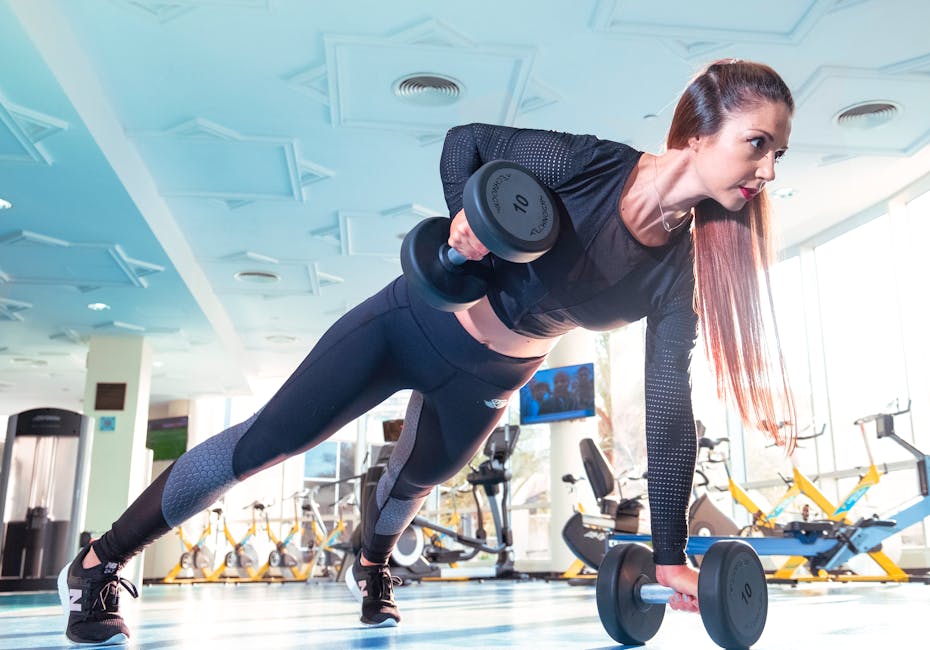
This section focuses on building strength in critical areas: legs, core, shoulders, and wrists. Use moderate weight for 8-12 repetitions unless otherwise stated. Focus on controlled movements.
Lower Body – The Engine Room
Strong legs are fundamental for explosive pushes, quick changes of direction, and sustained court coverage.
- Goblet Squats: 3 sets of 8-12 reps. Focus on depth and keeping the chest up.
- Reverse Lunges: 3 sets of 10-12 reps per leg. Improves unilateral strength and balance.
- Romanian Deadlifts (RDLs): 3 sets of 10-12 reps. Essential for hamstring strength and hip hinge mechanics. Use dumbbells or a barbell.
- Calf Raises (standing): 3 sets of 15-20 reps. For explosive push-off during sprints and jumps.
- Lateral Lunges: 3 sets of 10-12 reps per leg. Crucial for lateral court movement.
Core – The Powerhouse of Stability
A strong core transfers power from the lower to upper body and provides stability for all movements and shots, especially preventing unwanted rotation during striking.
- Plank: 3 sets, hold for 45-60 seconds. Focus on maintaining a straight line from head to heels.
- Side Plank: 3 sets, hold for 30-45 seconds per side. Essential for lateral stability.
- Pallof Press: 3 sets of 10-12 reps per side. Anti-rotational exercise using a resistance band or cable machine. Prevents twisting, builds stability.
- Bird-Dog: 3 sets of 10-12 reps per side. Improves core stability and inter-limb coordination.
- Russian Twists (without weight initially): 3 sets of 15-20 reps per side. Controlled rotation.
Shoulders & Wrists – The Striking Tools
Protecting these joints and enhancing their power is key for efficient shot-making and injury prevention.
- Overhead Press (Dumbbells): 3 sets of 8-12 reps. Builds shoulder strength for smashes.
- Face Pulls: 3 sets of 12-15 reps. Great for rotator cuff health and posture using a resistance band or cable.
- External Rotations (Resistance Band): 3 sets of 15-20 reps per arm. Shop resistance bands. Targeted rotator cuff strengthening.
- Wrist Curls (Forearm): 3 sets of 15-20 reps (palm up & palm down). Strengthens wrists for racket control.
- Reverse Wrist Curls: 3 sets of 15-20 reps. Balances forearm strength.
- Shoulder Blade Squeezes: 3 sets of 15-20 reps. Improves upper back strength and posture.
Agility & Footwork Drills for Padel (2x/week)
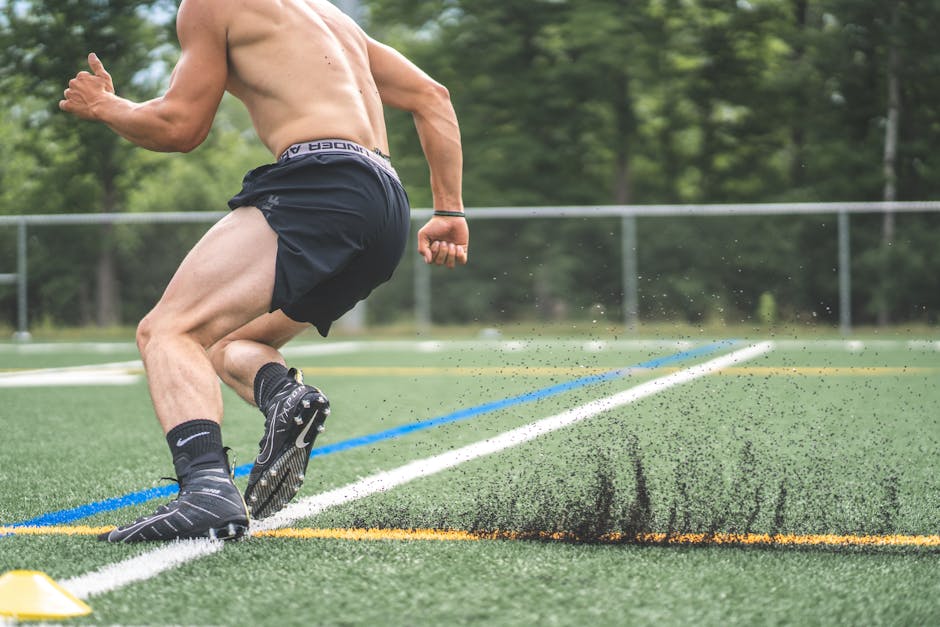
These drills are about quick reactions, precise footwork, and efficient changes of direction, mimicking the rapid demands of a padel rally.
- Agility Ladder Drills:
- Quick feet (two feet in each rung)
- Icky Shuffle (in-out-in)
- Lateral Shuffle (sideways through the ladder)
- Forward-Backward hops
Perform 2-3 sets of each drill, focusing on speed and coordination.
- Cone Drills:
- T-Drill: Sprint forward, shuffle left, shuffle right, shuffle back to centre, backward run. Simulates court movement.
- Pro Agility Shuttle: Sprint 5m, touch line, sprint 10m in opposite direction, touch line, sprint 5m back to start.
- Lateral Cone Weave: Place 3-5 cones in a line, quickly shuffle laterally around each.
Perform 3-4 sets of 1-minute efforts for each drill with 1-2 minutes rest.
- Reaction Drills:
- Mirror Drill: With a partner, mirror their lateral and forward/backward movements.
- Call-Out Drill: Partner calls out directions (left, right, forward, back) and you react.
Cardio Conditioning: HIIT Intervals Mimicking Padel Rallies (2x/week)
Padel matches demand intermittent high-intensity efforts. HIIT (High-Intensity Interval Training) is ideal for replicating this, improving your ability to recover quickly between points and rallies.
Choose one of the following methods for your cardio sessions:
Option 1: Treadmill/Bike Sprints
- Warm-up: 5-10 minutes light jog/cycle.
- Intervals:
- 30 seconds maximum effort sprint
- 60-90 seconds active recovery (slow jog/cycle)
- Repeat: 10-15 rounds.
- Cool-down: 5 minutes light jog/cycle.
Option 2: Court-Specific Sprints/Shuttles
- Warm-up: 5-10 minutes dynamic warm-up (as above).
- Intervals:
- Run/shuffle from baseline to net and back, or side to side along the baseline, at maximum effort for 30-45 seconds.
- Rest for 60-90 seconds.
- Repeat: 10-15 rounds.
- Cool-down: 5 minutes light movement.
Flexibility & Injury Prevention: Shoulders, Knees, Ankles
Preventing injuries is as important as building strength. Focus on mobility, flexibility, and strengthening stabilising muscles around vulnerable joints.
Shoulder Health
- Doorway Stretch: Hold for 30 seconds, 2-3 reps. Stretches chest and anterior deltoids.
- Sleeper Stretch: For external rotator mobility, 30 seconds, 2-3 reps per arm.
- Band Pull-Aparts: 3 sets of 15-20 reps. Strengthens upper back and rear deltoids.
Knee Stability
- Terminal Knee Extensions (TKEs) with band: 3 sets of 15-20 reps per leg. Strengthens VMO.
- Single-Leg Balance: Hold for 30-60 seconds per leg. Use an unstable surface if comfortable.
- Glute Bridges: 3 sets of 15-20 reps. Strong glutes help stabilise the knees.
Ankle Mobility & Stability
- Ankle Circles: 15-20 circles each direction, per ankle.
- Calf Stretches: Wall stretch, 30 seconds per leg, 2-3 reps.
- Band Inversion/Eversion: Using a resistance band, strengthens ankle stabilisers (3 sets of 15-20 reps each direction).
Nutrition for Padel Players: Fuel Your Game
Optimal nutrition is the cornerstone of performance and recovery. Fuel your body correctly, and you’ll notice a significant difference on court.
Before the Match/Training (2-3 hours prior)
Focus on complex carbohydrates for sustained energy and a small amount of lean protein.
- Oatmeal with fruit and a scoop of protein powder.
- Chicken breast sandwich on wholemeal bread with a banana.
- Rice cakes with avocado and eggs.
During the Match/Training (for sessions > 60-90 minutes)
Replenish electrolytes and simple carbohydrates.
- Water with electrolyte tablets.
- Energy gels, bananas, or dried fruit for quick energy boosts.
After the Match/Training (within 30-60 minutes for recovery)
Prioritise protein for muscle repair and carbohydrates to replenish glycogen stores.
- Protein shake with a banana.
- Chicken or fish with sweet potato and vegetables.
- Greek yoghurt with berries and nuts.
Hydration
Drink water consistently throughout the day. Aim for at least 2-3 litres, increasing significantly on training or match days. Don’t wait until you’re thirsty – thirst is already a sign of dehydration.
Recovery Protocols: Essential for Longevity and Performance
Recovery is where adaptations happen. Neglecting it leads to fatigue, reduced performance, and increased injury risk.
- Active Recovery: Light activity like walking, swimming, or cycling on rest days to promote blood flow and reduce muscle soreness. (20-30 minutes)
- Sleep: Aim for 7-9 hours of quality sleep per night. This is non-negotiable for physical and mental recovery.
- Stretching & Foam Rolling: Incorporate static stretching after workouts and use a foam roller to address muscle knots and improve tissue quality.
- Nutrition & Hydration: As mentioned above, consistent refuelling and hydration are vital.
- Cold/Hot Therapy: Some competitive players use ice baths or contrast showers (alternating hot and cold) to aid recovery and reduce inflammation.
Pro Player Fitness Insights: How the Best Train
Observing top padel players provides invaluable insights into the physical capabilities required at the highest level. Players like Agustín Tapia, Arturo Coello, Ariana Sánchez, Paula Josemaría, Gemma Triay, Ale Galán, and Alex Ruiz demonstrate the pinnacle of padel fitness.
- Agustín Tapia (World No.1): Known for his incredible agility, explosive jumps for smashes, and fluid movement. His training likely focuses heavily on plyometrics, core stability, and agility drills to support his aggressive, aerial game.
- Arturo Coello (World No.1): A tall player with immense reach and power. His fitness regime would emphasise strength, rotational power for his powerful forehand, and maintaining high levels of endurance to cover the court effectively alongside Tapia.
- Ale Galán (Former World No.1): Renowned for his athleticism, speed, and aerial prowess. His training prioritises speed, reaction time, and explosive power, allowing him to dominate the net and finish points decisively. His core strength is also key for stabilising his powerful overheads.
- Marta Ortega (Top Female Player): A medical doctor alongside her professional career, “Martita” exemplifies discipline. Her fitness is built on relentless defensive capabilities, endurance, and precise lateral movement. Her training would involve high-volume conditioning and footwork drills.
- Paquito Navarro (Legend): A powerful, aggressive player known for his flair. His fitness supports his explosive attacking game, quick changes of direction, and powerful smashes. Agility and upper body power are crucial for his style.
Common themes among these pros include a heavy emphasis on court-specific movement, strength integrated with power, and meticulous recovery protocols. They don’t just play padel; they train as elite athletes, understanding that physical preparation is the foundation of their success.
Equipment Recommendations: Optimise Your Performance
The right equipment can significantly impact your performance and help prevent injuries, complementing your physical training.
Padel Shoes
Padel shoes are designed specifically for the unique demands of the sport – traction on artificial grass with sand, lateral support for quick changes, and cushioning for impact absorption. Avoid using running shoes or tennis shoes not designed for clay/artificial grass courts.
- Grip: Look for herringbone or omni-court soles that provide excellent grip on padel court surfaces.
- Lateral Support: Essential for preventing ankle rolls during quick side-to-side movements.
- Cushioning: Absorbs impact from constant jumping and sharp stops, protecting your knees and ankles.
Recommended Brands for Padel Shoes: Babolat, Nox, Joma, Asics, Mizuno. You can find our comprehensive reviews and recommendations for the best padel shoes here.
Padel Grips & Overgrips
A secure grip is vital for racket control, comfort, and preventing issues like golfer’s or tennis elbow. Finding the right grip thickness and texture is a personal preference.
- Base Grips: The original grip on your racket.
- Overgrips: Thin, absorbent layers wrapped over the base grip to increase thickness, improve feel, and absorb sweat.
Many pros use 2-3 overgrips to adjust racket balance and comfort. Explore our Padel Racket Grip Guide for detailed information on choosing and applying grips. We recommend trying different types to find what suits your hand and playing style best. You can purchase quality padel grips on Amazon here.
Frequently Asked Questions About Padel Fitness
How often should I train for padel fitness?
For competitive players, aim for 3-4 dedicated fitness sessions per week in addition to your regular padel playing time. This allows for adequate recovery and adaptation.
Is running good for padel fitness?
Traditional long-distance running is less specific for padel. Instead, focus on High-Intensity Interval Training (HIIT) and court-specific sprints. These better mimic the short, explosive bursts of effort required in a padel match, improving your ability to recover quickly.
What are the most important muscles for padel?
The most important muscles for padel include: glutes, quads, hamstrings (for explosive leg drive and lateral movement), core (for stability and power transfer), and shoulder/forearm muscles (for racket control and injury prevention).
How can I prevent padel injuries?
Injury prevention strategies include: a thorough dynamic warm-up before playing, targeted strength training for vulnerable joints (shoulders, knees, ankles), maintaining flexibility, proper technique, adequate recovery, and wearing appropriate padel-specific footwear.
Do I need special shoes for padel?
Yes, padel shoes are highly recommended. They offer specific grip patterns for artificial grass courts, enhanced lateral support to prevent ankle injuries, and superior cushioning for impact absorption, which are crucial for performance and safety.
What should I eat before a padel match?
2-3 hours before a match, consume complex carbohydrates for sustained energy (e.g., oatmeal, wholemeal toast, rice) and a small amount of lean protein. Avoid heavy, greasy foods that might cause digestive discomfort.
How important is core strength for padel?
Core strength is extremely important for padel. It provides stability during quick movements, helps transfer power from your lower body to your shots, and protects your spine from injury, especially during rapid changes of direction and powerful strokes.
Can I adapt this programme if I’m a beginner?
Absolutely. Beginners should focus on mastering proper form for all exercises, reducing the intensity, and gradually increasing repetitions or duration. Listening to your body and prioritising technique over heavy weights or high speeds is key.
Should I stretch before or after padel?
Perform a dynamic warm-up (active, movement-based stretches) before playing or training. Static stretching (holding stretches) is best reserved for after your session as part of your cool-down and recovery routine.
What kind of cardio is best for padel?
High-Intensity Interval Training (HIIT) is most beneficial, as it mimics the stop-start, explosive nature of padel rallies. Short bursts of maximal effort followed by brief recovery periods train your body to perform and recover efficiently during a match.
By diligently following this comprehensive padel fitness training programme, you’ll not only see a remarkable improvement in your on-court performance but also significantly reduce your risk of injury. Padel demands a dedicated approach to physical preparation, and with consistent effort, you’ll be well on your way to becoming a more dominant and resilient player. Get out there and train hard!