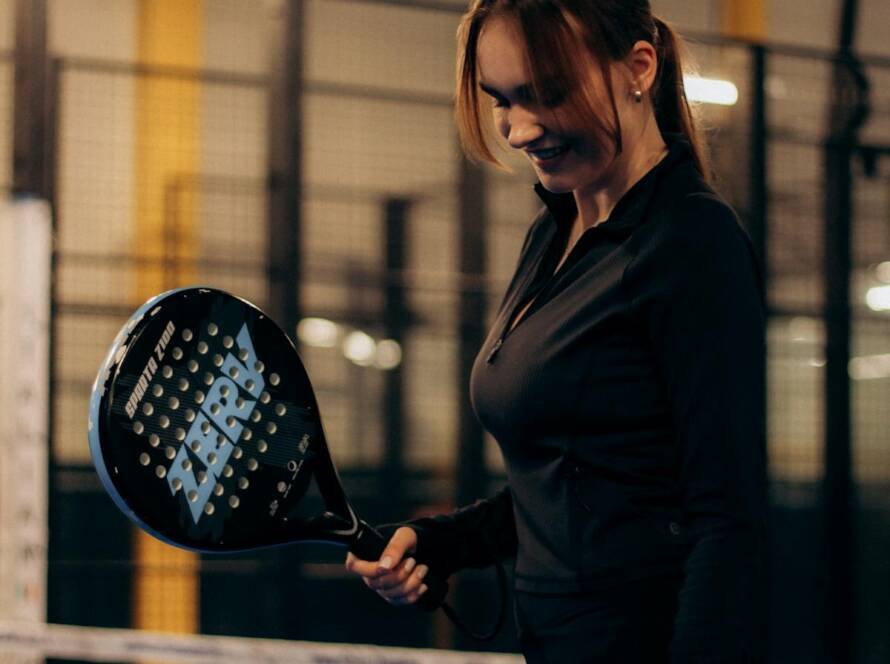
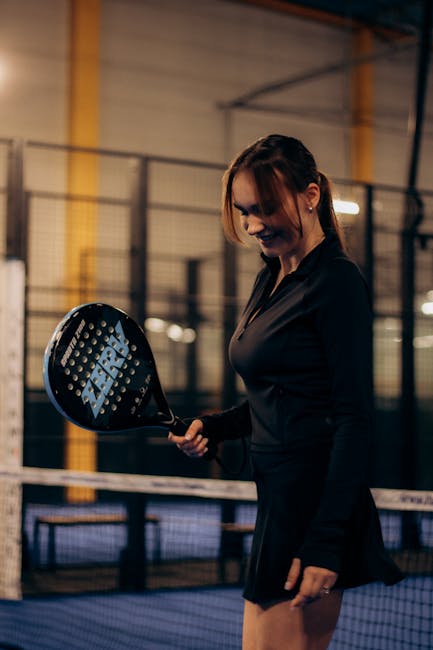
It is January 2026, and if you haven’t already heard the distinctive thwack of a padel ball against a glass wall, you likely will before the week is out. What was once described as the “fastest-growing sport you’ve never heard of” has officially shed its underdog status. In 2026, padel is no longer just a trend; it is a fundamental pillar of the British sporting landscape.
From the converted warehouses of Manchester to the sun-drenched (and often rain-shielded) canopies of London and Bristol, the uptake of padel in the UK has reached a fever pitch. This year marks a historic turning point for the sport, characterized by record-breaking participation, a professional infrastructure that rivals traditional tennis, and a commercial boom that shows no signs of slowing down.
The Milestone: 1,000 Courts and Counting
To understand the scale of the 2026 padel boom, we must look at the infrastructure. In July 2025, the UK hit a monumental milestone: the opening of its 1,000th padel court. For context, the UK had fewer than 100 courts in 2020. This represents a compound annual growth rate that has left other recreational sports in the dust.
As of January 2026, the count has surged past 1,150 courts across more than 350 venues. But it isn’t just about the numbers; it’s about the nature of these facilities. The “Canopy Revolution” has solved the British weather problem. Operators have moved away from exposed outdoor courts in favor of high-tech, permanent canopy structures and massive indoor hubs.
| Region | Estimated Court Count (Jan 2026) | Growth Trend |
| London & South East | 340+ | Very High |
| North & West Midlands | 210+ | High |
| North & East Midlands | 180+ | High |
| South & South West | 195+ | Moderate |
| Scotland & Wales | 120+ | Rapidly Increasing |
The Participation Surge: 600,000 Strong
The Lawn Tennis Association (LTA) and industry analysts have confirmed that the number of active padel players in the UK has soared to an estimated 600,000. This is a staggering rise from the 129,000 players recorded at the end of 2023.
Why are Brits flocking to the 20×10 meter glass boxes? The answer lies in the sport’s unique “low barrier, high ceiling” appeal.
1. The Social Stickiness
Unlike tennis, where a beginner can spend hours just trying to keep a rally going, padel allows newcomers to play a semi-competitive game within 30 minutes. This “instant gratification” makes it the perfect social sport. In 2026, we are seeing “Padel & Prosecco” evenings, corporate networking leagues, and family “triple-generation” tournaments becoming the norm.
2. The Inclusivity Factor
Padel’s uptake has been remarkably balanced. Statistics show that roughly 40% of the UK’s padel player base is female, significantly higher than the average for other racket sports. The doubles-only format reduces the physical strain of covering a large court, making it accessible for seniors, while the shorter racket makes it intuitive for children.
“Padel has done for racket sports what T20 did for cricket—it made it faster, louder, and much more inclusive.” — Anonymous Club Manager, London.
2026: The Year of Professionalism
If 2024 was the year of curiosity and 2025 was the year of construction, 2026 is the year of performance.
Premier Padel Hits London
One of the most anticipated events on the 2026 sporting calendar is the arrival of the Premier Padel P1 tournament in London this August. For the first time, the world’s elite—the likes of Arturo Coello and Ari Sánchez—will compete on British soil in a top-tier professional event. This is expected to do for padel what Wimbledon does for tennis: ignite a massive seasonal surge in interest and inspire a new generation of British pros.
The LTA Performance Pathway
The LTA has unveiled its most ambitious competition calendar yet for 2026, featuring 35 weeks of domestic and international competition. With five FIP (International Padel Federation) tour events hosted in the UK this year, British players finally have a clear “Performance Pathway” from local leagues to the world stage. We are already seeing the fruits of this labor, with more British players breaking into the FIP Top 200 than ever before.
The Commercial Landscape: A New Economy
The business of padel in 2026 has matured. We have moved past the era of single-court “pop-ups” into the era of the Mega-Club.
Major Operators Expanding
Companies like Pure Padel, The Padel Club, and Social Sports Society are in a race for territory. Pure Padel recently announced its first London foray in Coulsdon, featuring six indoor courts, a co-working business lounge, and a pro shop. Meanwhile, The Padel Club has opened massive flagship sites in Liverpool and Sheffield, treating each venue as a “destination” rather than just a sports facility.
The Tech Integration
The “uptake” isn’t just physical; it’s digital. In 2026, booking a court is almost exclusively handled via apps like Playtomic.
- Matchmaking Algorithms: Players no longer need a fixed group of four. The apps now use sophisticated ELO-style ratings to pair individuals with others of the exact same skill level.
- Video Highlights: High-end clubs now feature automated cameras that record every match, allowing players to download their best “vibora” shots to share on social media within seconds of stepping off the court.
Why Padel is Winning the “Space Race”
In a country where land is at a premium, padel’s footprint is a developer’s dream. You can fit three padel courts into the space of one traditional tennis court.
In 2026, we are seeing creative land use:
- Retail Repurposing: Disused department stores and shopping center car parks are being converted into vibrant urban padel hubs (e.g., the Meadowhall development in Sheffield).
- Workplace Wellness: Business parks are installing canopy courts to attract tenants who prioritize employee wellbeing.
- The “Hybrid” Club: Golf and tennis clubs that were once skeptical are now frantically installing padel courts to diversify their memberships and improve “dwell time” in their bars and cafes.
The Challenges Facing Padel in 2026
While the growth is astronomical, it hasn’t been without its hurdles. As we look at the state of the sport today, two main challenges remain:
1. The Planning Bottleneck
The demand for courts still exceeds the speed of the planning system. Many developers face delays of 12–18 months due to noise complaints from residential neighbors—the “pop” of the ball against the racket is a distinct frequency that some local councils are still learning to mitigate with acoustic glass and strategic positioning.
2. Coaching Shortage
With 600,000 players, the UK is currently facing a “coach gap.” The LTA has accelerated its coaching qualification programs, but the demand for high-level instruction remains high. In 2026, we are seeing an influx of Spanish and Argentinian coaches moving to the UK to help professionalize the local talent pool.
Looking Ahead: Is a “Padel Plateau” Coming?
Experts suggest that the UK has the capacity for 7,000 to 8,000 courts over the next decade. If the current growth rate continues, we are nowhere near a plateau. Instead, we are entering a phase of regional stabilization. While London and Manchester are reaching a “healthy saturation,” regions like the North East, Scotland, and Wales are just beginning their steep climb.
The 2026 uptake proves that padel has successfully navigated the “fad” phase. It has become a lifestyle choice—a way to stay fit that doesn’t feel like a chore, and a way to socialize that doesn’t necessarily revolve around a pub.
Conclusion
Padel in 2026 is a success story of infrastructure meeting enthusiasm. The sport has captured the British imagination because it offers exactly what modern life lacks: genuine, face-to-face social connection paired with accessible physical activity. Whether you are a seasoned “padelista” or someone who has just picked up a racket for the first time at your local warehouse club, you are part of a movement that is redefining what sport looks like in the UK. The glass walls are up, the lights are on, and the game is only just getting started.