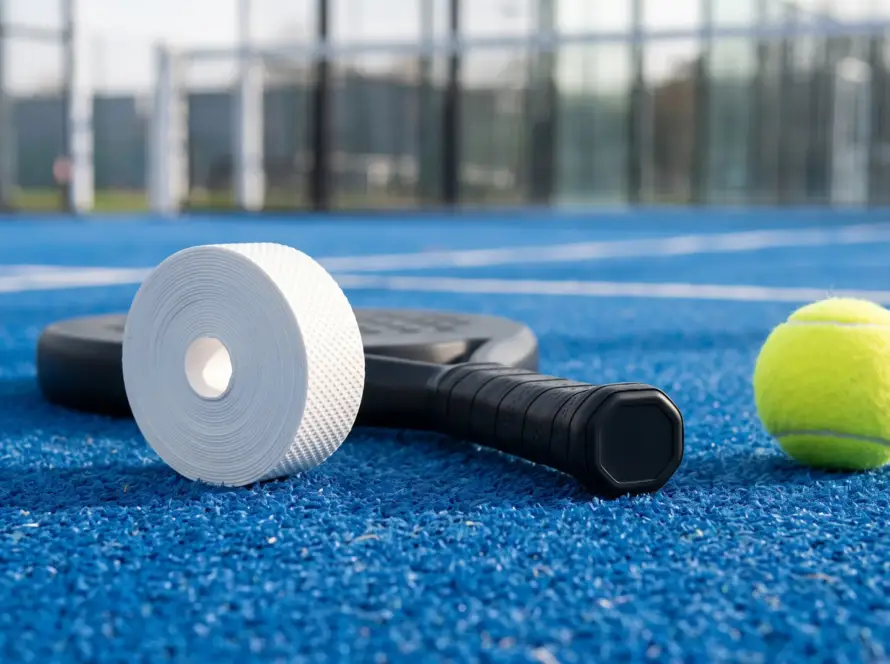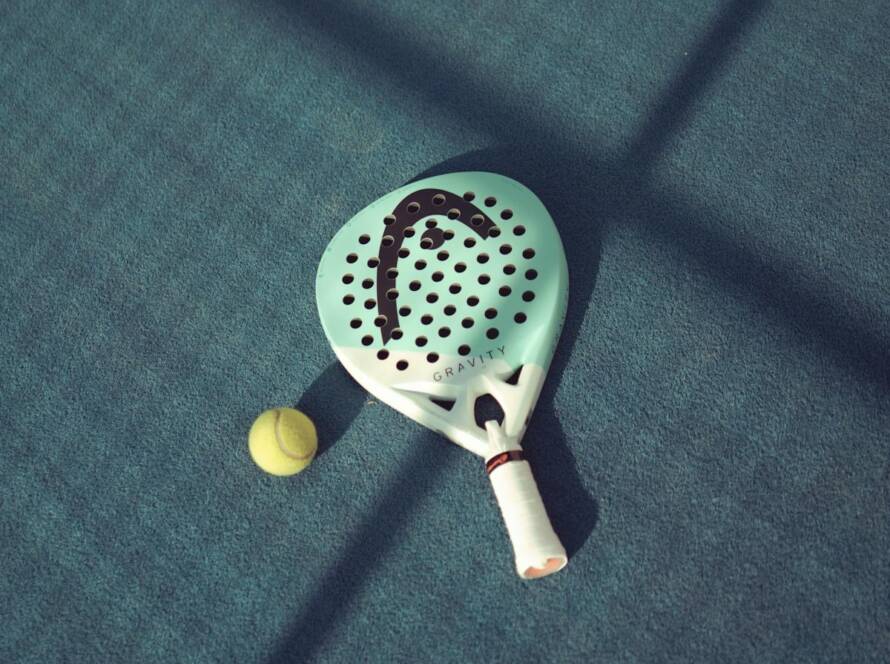

In padel, you'll team up in doubles on a court enclosed with walls. Starting with the basics, scoring mirrors tennis, 15, 30, 40, game, but you need a two-point lead to clinch a game at deuce. You must serve underarm, ensuring the ball is hit below your waist and one foot remains on the ground. The ball should bounce once in the opponent's service box. Remember, you can use the walls to bounce the ball, adding a tricky angle to your shots. With strategic use of the court and smart serving, you'll influence the game's flow and keep your opponents guessing what comes next.
Overview of Padel Rules
Padel is played in doubles, requiring four players to form two teams, and follows a unique scoring system similar to tennis. This setup demands not only physical skill but also sharp mental strategy and effective team dynamics. You'll find that mastering strategy tactics is essential. Positioning and predicting where the ball will land can turn the tide in your favor. Effective player communication is necessary. You and your partner need to constantly talk, calling shots and warning each other of play changes to avoid collisions and missed opportunities.
Your shot placement needs to be strategic; it's not just about power but where you place the ball. Shots that rebound off the glass walls can be particularly tricky for your opponents to return. Court movement is another key aspect you'll need to focus on. Unlike traditional tennis, padel requires you to maneuver within a smaller space, making quick reactions and swift movements essential. Integrating these elements enhances your team dynamics, as both players must synchronize their actions and strategies to outplay the opposition. Remember, every move and decision you make on the court should be aimed at setting up your team for a point or defending against your opponents' strategies.
Scoring System Explained
Understanding the scoring system in padel is essential, as it follows the progression of 15, 30, 40, and then the game. You'll find that mastering scoring tactics can significantly improve your play. Each point you win pushes you closer to securing the game, but remember, reaching 40-40, or deuce, means you'll need a two-point advantage to clinch the game. This is where your mental game kicks in.
Focusing on game psychology, it's important to stay cool under pressure, especially during deuce. The tension of needing consecutive points can weigh heavily, but here's where player communication becomes your ally. Chatting with your partner about strategies can boost your confidence and focus. Discussing positions and predicting opponents' moves aren't just about physical readiness but mental preparedness too.
Incorporate strategy tips like positioning and shot selection to exploit your opponents' weaknesses. This isn't just about hitting the ball; it's about where and how you hit it to make scoring more effective. Keep these tactics in mind, and you'll notice how they influence the flow of the game and your opponent's mindset, steering the match in your favor.
Service Rules in Padel
Let's explore the specifics of serving in padel, starting with the requirement for an underarm serve from the right service court. You must master this technique to guarantee your serve is both legal and effective. The ball must be struck below waist level, promoting service box accuracy and reducing the chances of faults.
To prevent a foot fault, you've got to keep at least one foot on the ground during the serve. It's critical to practice your foot positioning carefully; any mistake here could cost you a point. Server responsibilities also include making sure the serve lands in the opponent's service box after one bounce, a key rule that demands precision and control.
Strategic serves can turn the tide of a match. By varying the speed and direction of your serves, you can keep your opponents guessing and off-balance. This strategy can be particularly effective in disrupting the rhythm of experienced players who are tough to beat with power alone.
Padel Court Specifications
After mastering the fundamentals of serving, you'll find that knowing the specifics of the padel court can greatly enhance your gameplay strategy.
First off, the court dimensions are vital. A standard padel court measures 10 meters in width and 20 meters in length, providing a compact yet strategic playing area. You'll notice side walls and back walls; these are typically made of glass. This material not only aids in visibility but also maintains the game's fast pace as the ball rebounds off smoothly.
Regarding the net height, it's lower than in tennis, standing at 88 cm at the ends and 92 cm in the middle. This variation impacts how you strategize your shots, especially near the net. Safety measures on the court include adequate fencing and smooth wall surfaces to prevent injuries during fast-paced games.
Additionally, lighting requirements are essential for visibility and precision in play. Courts are equipped with high-quality lights that ensure the ball and players are easily visible, which is particularly vital for evening or indoor games. Understanding these aspects helps you adapt your strategies and enjoy a safer, more effective game.
Using Walls in Play
In Padel, you can use the walls to strategically bounce the ball, adding a unique dimension to your gameplay. Mastering wall strategies is vital to turning the court into your ally. By aiming shots to ricochet off the walls at challenging angles, you'll gain an angles advantage that can disorient your opponents and open up the court.
When you're developing your bounce tactics, remember that the ball can be played off any wall, but it must bounce on the ground first on your side before hitting a wall. This rule opens up a plethora of strategic plays, allowing you to create unexpected angles and spins. Utilizing tactical walls effectively requires practice and precision. Aim to hit the walls at points that maximize difficulty for your opponents to return the ball.
Don't overlook the importance of cage rebounds. These tricky shots can surprise your opponent, especially when executed from tight spots. Shots that rebound off the cage need careful handling to make sure they remain within the legal play area. Each wall encounter should be seen as an opportunity to outplay your opponent, using the court's features to your advantage.
Player Positions and Roles
Understanding player positions and roles is essential for mastering padel, as each player must strategically serve and return from specific court locations. You'll find that court positioning is key to effective play. When serving, you're required to hit diagonally across to the opponent's service box, which demands precise placement and power control. As the receiver, you need to anticipate and adapt quickly to return the serve effectively.
Your strategy tips should include developing strong communication skills with your partner. Since you're positioned diagonally across from each other, shouting out intentions and observations helps maintain team dynamics and guarantees you're both aligned on the game plan. Player responsibilities extend beyond just hitting the ball; you've got to cover your section of the court and switch seamlessly when the play demands.
Effective team dynamics hinge on understanding each other's strengths and weaknesses. Work on drills that enhance your synergy and positional awareness. Remember, every point in padel requires coordination and cooperation. If you keep your communication lines open and continually adjust your court positioning, you'll not only boost your performance but also enjoy the strategic depth that padel offers.
Equipment and Gear
Why is selecting the correct equipment essential in padel? Well, the right gear not only enhances your performance but also guarantees you're playing safely and efficiently. Let's break down what you need to take into account.
First off, gear maintenance is key. Regularly check your padel racket for any damages and make sure the grip is in good condition. This prevents unexpected mishaps during a game and maintains the quality of your shots.
Footwear selection can't be overlooked. You'll need shoes with non-marking soles that provide good grip and support as you move swiftly across the court. This choice helps prevent injuries and improves your game stability.
Speaking of grip, mastering grip techniques is essential. Whether you're using an overgrip for extra comfort or adjusting your grip during shots for better control, the way you hold your racket significantly impacts your play.
Don't forget about eyewear options. Protective glasses can shield your eyes from fast-moving balls, reducing the risk of injury. It's a simple addition that can save you a lot of trouble.
Lastly, ball pressure preferences play a part. Padel balls have less pressure than regular tennis balls, which affects how the game is played. Choose the right balls that complement your playing style and the court conditions.
Etiquette and Sportsmanship
As a padel player, you must always exhibit respect and fairness, setting the tone for good sportsmanship throughout the match. Your actions on the court reflect not only on you but also on the sport itself. Engaging in respectful behavior and showing opponent courtesy are imperative. Whether you're winning or facing defeat, maintaining a graceful conduct keeps the game enjoyable for everyone involved.
Important play is vital; it's necessary to follow the game's rules diligently and avoid any temptation to bend them in your favor. Remember, dignified competition means competing with integrity and acknowledging good plays from your opponents as well. Before and after each match, make it a point to shake hands with your opponents and the officials. This small gesture emphasizes mutual respect and acknowledges both the effort put in and the spirit of the competition.
Additionally, always be mindful of how you interact with spectators and your own teammates. Encourage a positive environment by supporting others and keeping any frustrations in check. In the world of padel, how you play the game is just as important as the final score.
Common Violations
In padel, you'll lose a point if you hit the ball out of bounds, into the net, or commit other common violations. Understanding these rules is crucial to avoiding unnecessary losses. Let's explore some specific violations you need to watch out for.
One major mistake is foot faults. When serving, make sure your feet don't cross the service line before you hit the ball. Crossing the line too early is a foot fault and results in the loss of the point. Another area to be mindful of is court boundaries. If your ball lands outside the designated play area, that's out, and you'll concede a point.
Below is a table summarizing some common violations:
| Violation Type | Consequence |
|---|---|
| Foot faults | Point lost |
| Court boundaries | Point to opponent |
| Double bounces | Opponent wins the point |
| Ball interference | Point forfeited |
| Net touches | Lose the point |
Double bounces are also not allowed. If the ball bounces twice on your side, that's it, point to your opponent. Pay attention to ball interference and net touches, as well. Hitting the ball into the net or any unintended interference can cost you points. Stay alert and play smart!
Frequently Asked Questions
What Are Padel Rules?
You're asking about a sport where scoring, court size, service rules, player positions, and match formats define the game. It's called padel, blending tennis elements with unique strategies and teamwork requirements.
Can You Hit It off the Wall in Padel?
Yes, you can hit it off the wall in padel. Utilize wall strategy to improve shot angles and create challenging wall rebounds. This tactic enhances both defensive plays and offensive tactics during the game.
Can You Hit the Glass First in Padel?
Yes, you can hit the glass first in padel. It's a great strategy for defensive plays, offensive tactics, and controlling shot angles. Positioning yourself wisely can really capitalize on this rule.
Can a Ball Bounce Twice in Padel?
In padel, you can't let the ball bounce twice. This rule prevents rally continuation, affecting bounce control techniques and surface impact. Double bounce strategy and visibility also play essential roles in gameplay.
Conclusion
Now that you're familiar with the basics of padel, you're ready to step onto the court with confidence. Remember, mastering the scoring, service rules, and court specifics will elevate your game.
Utilize the walls to your advantage, coordinate closely with your partner, and always play with the right equipment. Adhering to padel etiquette and avoiding common violations will guarantee you enjoy every match.
Embrace the challenge, strategize wisely, and most importantly, have fun as you immerse yourself in the exciting world of padel!